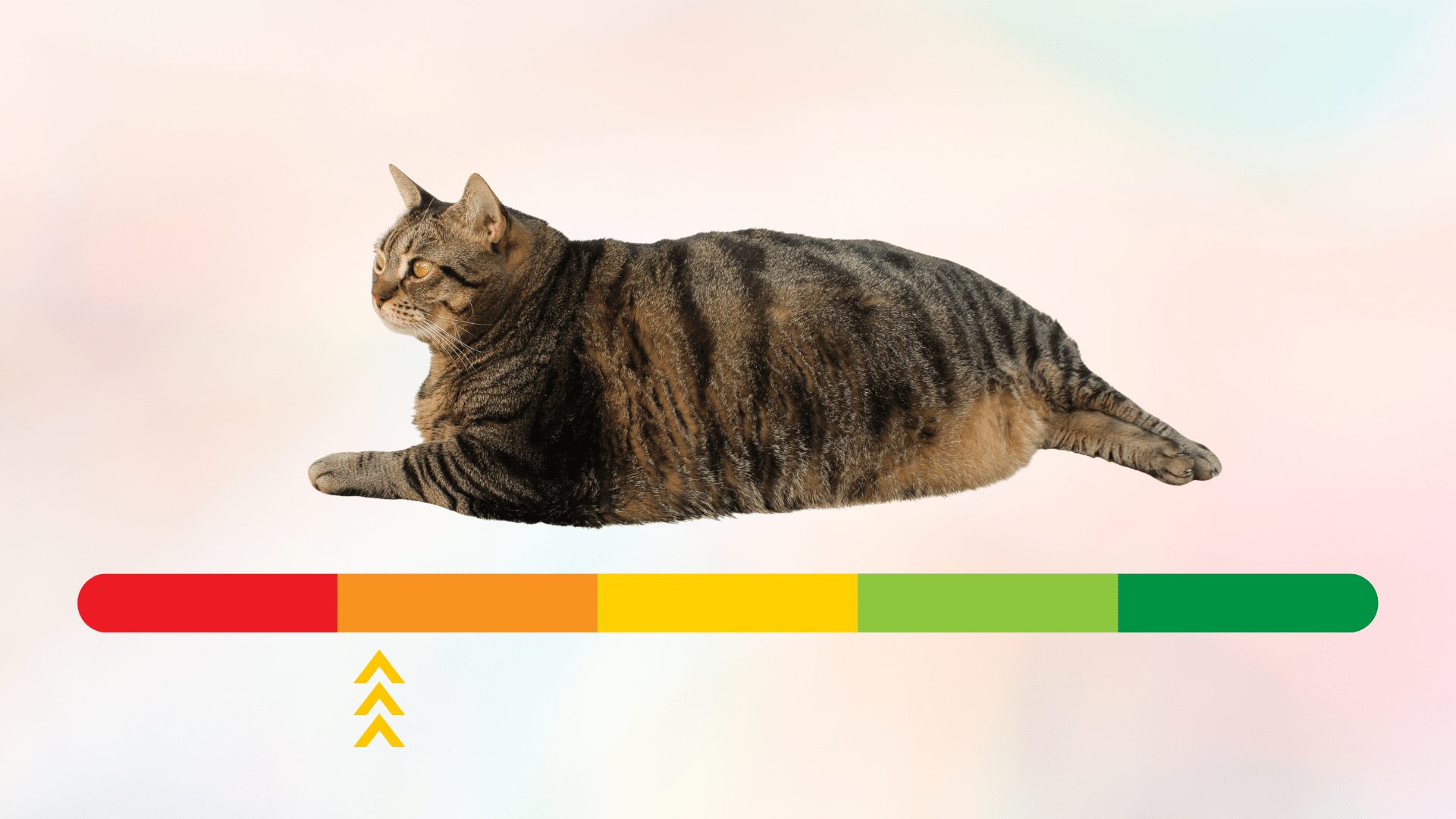
An overweight cat may develop extra pounds so gradually that the change is difficult to notice. Shifts in body shape, activity, or jumping habits signal to cat owners in Pepperell that it is time to take a closer look at feline weight.
Every cat has individual nutritional and health needs. Age, body structure, activity, diet, and medical history all influence healthy body condition, so a veterinary consultation at Preventive Veterinary Medicine Clinic offers valuable context beyond the number on a scale.
How Excess Weight May Affect Your Cat’s Health
Extra body fat may place additional stress on a cat’s joints and make normal movement more difficult. An overweight cat may face increased risks for conditions such as diabetes and arthritis while experiencing difficulty grooming or staying active. Some cats with excess weight become reluctant to jump, climb, or play as frequently as they once did. Maintaining an appropriate body condition supports mobility, comfort, and quality of life throughout each life stage.
What Leads to Feline Weight Gain?
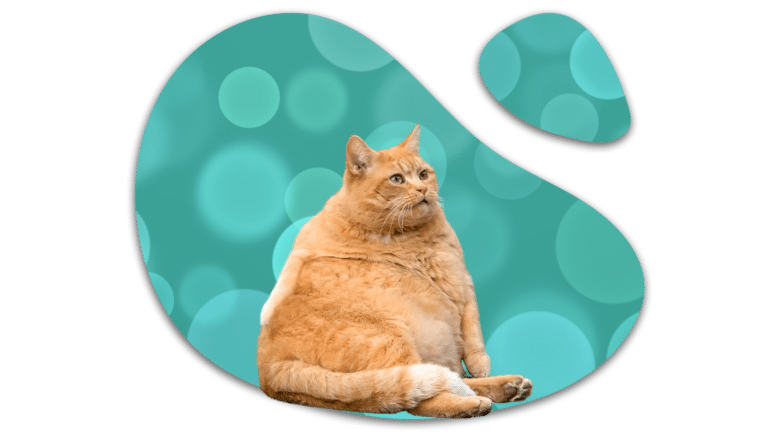
Nutrition and overfeeding are frequent contributors to unwanted weight gain. Large portions, frequent treats, calorie-dense foods, and low activity may gradually create an imbalance between energy intake and energy use. Age and changes in a cat’s daily routine may influence weight as well. Certain medical concerns may contribute to unexpected weight changes, making professional evaluation important before starting a new feeding routine.
Look Beyond the Number on the Scale
Your cat’s overall shape provides useful information about body condition. At a healthy weight, the ribs should generally be noticeable beneath a light layer of tissue, with some definition around the waist when viewed from above. A rounded abdomen, less visible waist, or ribs that are difficult to feel may suggest an overweight cat. The Association for Pet Obesity Prevention provides an at-home scoring chart for cats as a useful visual reference for owners evaluating body condition.
A home body condition check is only a starting point. Your veterinarian may compare these observations with current weight, previous records, diet, lifestyle, and overall health.
When Weight Gain Calls for a Veterinary Exam
A weight management appointment at Preventive Veterinary Medicine Clinic is worthwhile when your cat begins gaining noticeable weight. During an exam, the veterinary team evaluates body condition, reviews feeding portions and treats, discusses activity, and looks for underlying health concerns that could cause weight gain. Gradual weight management under veterinary direction is generally safer than sudden or severe food restriction.

Three Practical Steps for Feline Weight Management
- Skip drastic diets and unverified nutrition advice found online. Speak with your veterinarian before significantly changing your cat’s food or portions.
- Measure meals consistently rather than estimating serving sizes, and include treats when considering total daily food intake.
- Keep notes about weight, appetite, mobility, and activity so your veterinary team has useful information when reviewing progress.
A Healthier Weight Starts with Feline Weight Management in Pepperell, MA
Preventive Veterinary Medicine Clinic (PVMC) serves pet owners in Pepperell, Dunstable, Townsend, and Lunenburg. If you are concerned about an overweight cat, an individual veterinary assessment offers a clearer understanding of your pet’s body condition and nutritional needs. Schedule an appointment to discuss your cat’s weight and overall wellness us.